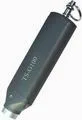
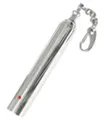
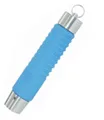
Side-by-Side Comparison
| Factor | Contact (iButton) | Contactless (RFID) |
|---|---|---|
| How it reads | Reader head touches the button | Reader waved near the tag, no touch |
| Read distance | Physical contact | 0 to 5 cm |
| Typical cost | Lowest | Slightly higher |
| Best environment | Indoor, dry, low-risk | Wet, gloved, dusty, harsh |
| Tamper resistance | Button is visible and can be removed | Tag can be concealed in wall, unremovable |
| Temperature range | Very wide (sealed steel plus reader) | Wide, but reader rated per model |
| Wear point | Contact pad and button surface | None, no moving contact |
Choose Contact When
- The route is indoors and low-risk, so a visible button is not a tamper target.
- Budget is tight and you want the lowest-cost verified patrol.
- The site sees wide temperature swings where you want the sealed-steel button temperature tolerance.
Choose Contactless When
- Hands are often gloved or wet, or the route is outdoors in poor weather.
- The patrol is high-frequency and you want the fastest possible read.
- Tampering or tag removal is a real risk and you want concealed, unremovable checkpoints.
For the deeper background on the contact method itself, see our guide to the contact guard tour system.
FAQ
No, a reader only reads its own technology. Standardise one technology per site; if upgrading from iButton to RFID, do it route by route.
In harsh, gloved or high-throughput conditions, yes, there is no contact to wear or fumble. In a calm indoor setting the two are comparably reliable; contact has the edge on cost and temperature range.
Generally yes, the Guard Tour Management Software is agnostic to the tag technology; it consumes the same read records. The difference is only in the reader and the Checkpoint Button type.