Why Industrial Facilities Rely on Patrol Verification
Industrial sites carry higher safety and liability exposure than almost any other environment: hazardous materials, heavy machinery, 24/7 operations, and valuable assets spread across large footprints. A missed patrol is not a paperwork gap — it can mean an unchecked leak, an unattended fire risk, or a broken perimeter.
Where Patrol Verification Matters Most
Patrol verification earns its keep anywhere a lapse would be costly. The most common industrial applications:
| Area | What is at risk | What verification proves |
|---|---|---|
| Production floors & machinery | Equipment faults, unsafe acts, blocked exits | Rounds happened on schedule; hazards were checked |
| Warehouses & distribution centres | Theft, fire loads, cold-chain breaks | Points covered; exceptions flagged |
| Oil, gas, chemical & LNG | Explosion, toxic release, fire | Intrinsically-safe checks in hazardous zones |
| Utilities & plant perimeters | Unauthorised access, vandalism | Perimeter integrity at set times |
The pattern is consistent: the more spread out and hazardous the site, the more a supervisor needs proof rather than assumption.
Explosive-Risk Zones Require Contact iButton
Anywhere flammable gas, vapour or dust may be present — refineries, fuel depots, chemical plants, LNG terminals, paint shops, grain silos — a reader must not introduce an ignition source. Contactless RFID relies on radio-frequency induction, which emits RF energy and is not admissible in these zones.
| Requirement | Contact iButton | Contactless RFID |
|---|---|---|
| Intrinsic safety (no RF energy) | Yes — admissible in hazardous zones | No — emits RF energy |
| Checkpoint identity | Globally unique, read-only UID — cannot be forged | Tag ID, can be cloned more easily |
| Best for | Refineries, fuel depots, chemical & LNG | Wet, dusty, tamper-prone, high-frequency routes |
Built for Harsh Industrial Environments
Industrial readers are carried every shift, often by staff who would rather the device "failed". Durability is therefore a design requirement, not a marketing claim. A credible unit is sealed to IP67, survives repeated drops, and keeps reading after being driven over.
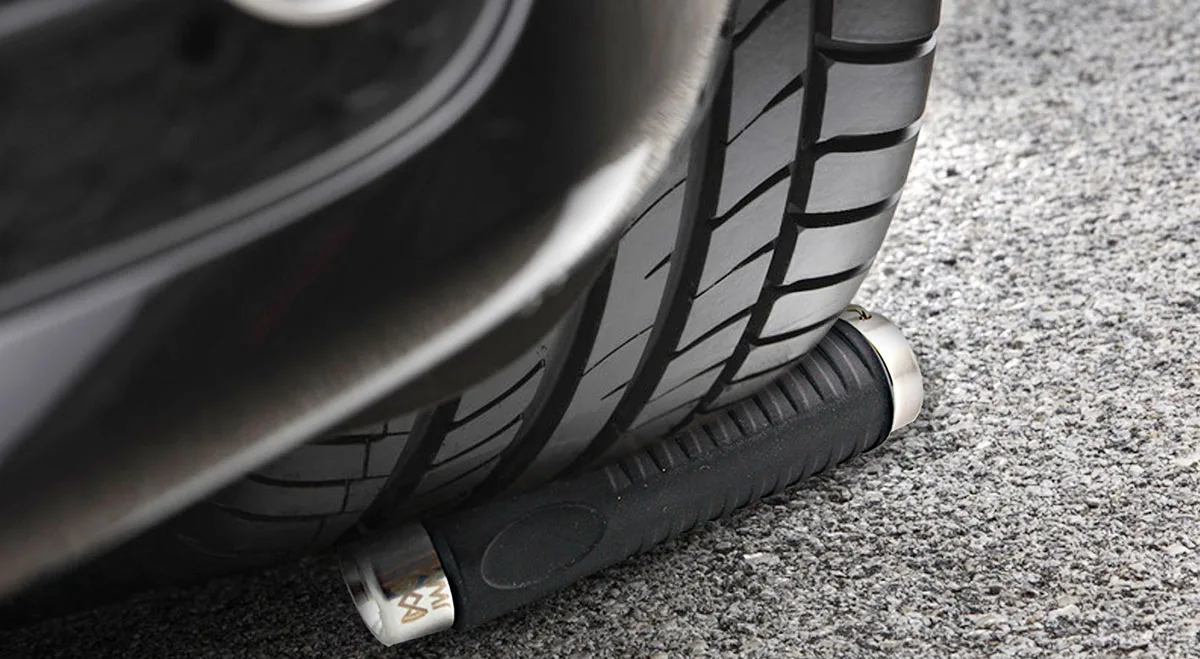
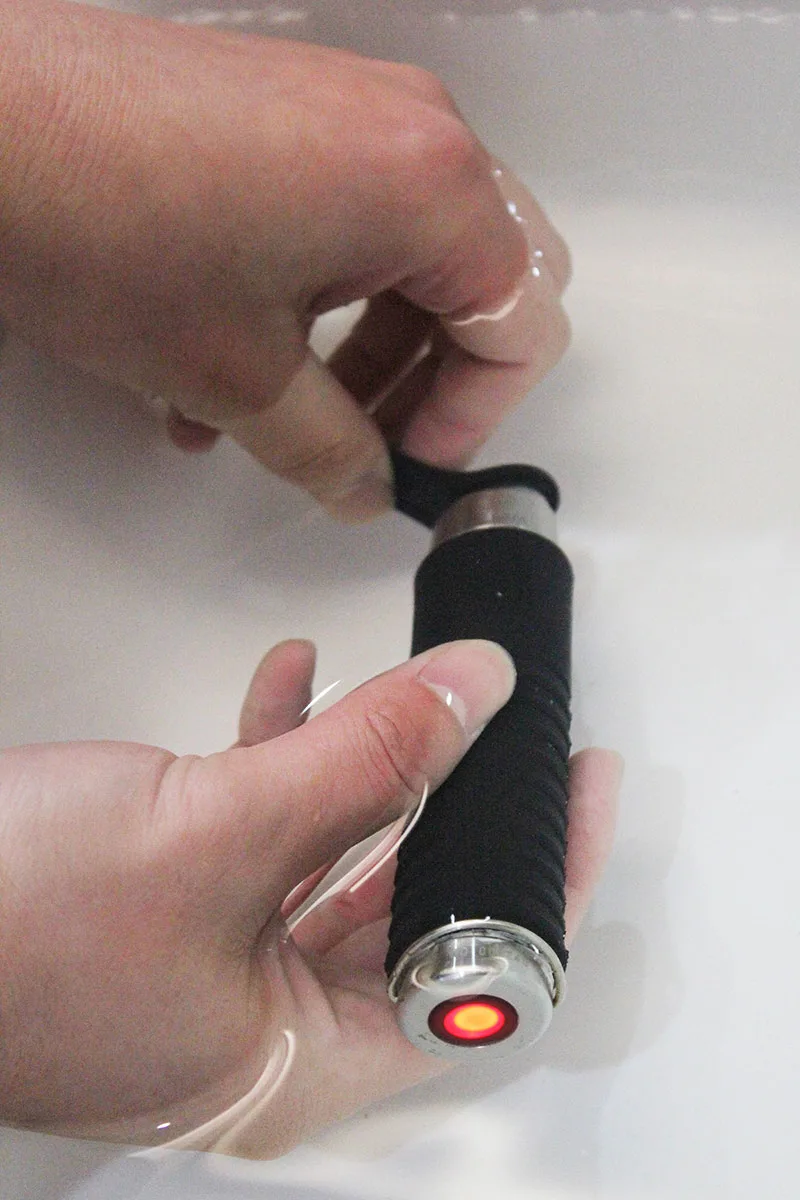
Look for verified numbers, not adjectives: readable after a 10-metre drop and a vehicle rollover, sealed to IP67, and rated for extreme operating temperatures. That is the difference between a system that enforces patrols and one a guard can quietly defeat.
Online vs Offline in Industrial Sites
Most industrial patrols are offline: the reader stores reads locally and uploads them after the shift via a cradle or USB. No wiring, simple to deploy across a large site. Online systems stream data in real time and are warranted only where live monitoring and instant on-site alerts are required — for example, a perimeter breach that must trigger an immediate response.
How to Specify a System for Your Facility
Start from the zones, not the catalogue. Draw the site and mark which areas are hazardous (explosive-risk), which are wet or corrosive, and which see high-frequency rounds. Then match:
Contact iButton readers for any explosive-risk or intrinsically-safe zone.
Contactless RFID for wet, dusty, tamper-prone or high-frequency routes.
IP67, drop- and crush-resistant readers for floors and yards.
Offline unless live alerts are a stated requirement.
Management software that compares actual rounds against the plan and flags gaps.

For example, the TS-G400 is a rugged reader built for industrial use — IP67, drop- and crush-resistant, suited to floors and yards; the TS-G700 contactless model suits wet or high-frequency routes. For help mapping a system to your site and zones, contact us with a simple layout.